Intensity Casino Payment Methods in Australia
 Available in AU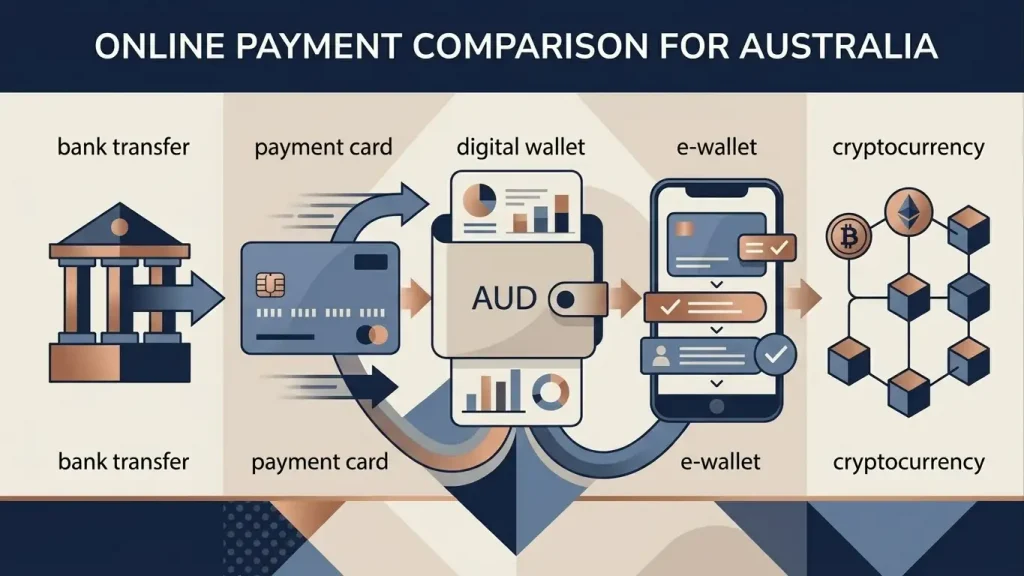
AUD banking guide for Australian players
Intensity Casino is presented with four clearly supported payment categories for Australian readers: bank transfer, Visa/Mastercard, e-wallets and cryptocurrency. Current Australian-facing Intensity pages also mention PayID, making it a useful cashier option to check when you log in. The important distinction is that a method shown for deposits is not automatically guaranteed for withdrawals. Before funding an account, confirm the live cashier entry, the destination available for cashout, any provider charge and whether identity verification is required. Exact limits, fees and processing times are deliberately not quoted here because current Intensity-facing sources do not provide a sufficiently consistent primary record for those high-risk details.
Table of Contents
- The payment categories currently worth comparing
- Why AUD presentation matters more than a long method list
- Separate the deposit method from the cashout route
- How to treat PayID at Intensity
- Cards and e-wallets solve different problems
- Crypto support needs an extra network check
- Build KYC into the banking plan
- Why this guide does not publish fixed limits or fees
- A better five-point banking checklist
- Set up the account before testing a payment route
- Keep payment convenience separate from legal status
- How Intensity payment options fit an AUD bankroll
- Intensity Casino Payment Methods in Australia
The payment categories currently worth comparing
For a practical Intensity banking shortlist, start with categories rather than promotional claims about speed. Bank transfer is presented as a payment option, Visa and Mastercard appear among the card choices, e-wallet options are presented, and cryptocurrency is also part of the payment mix. PayID is additionally mentioned on current Australian-facing Intensity pages. That gives Australian players several distinct funding routes, but the cashier should still be treated as the final source for what is enabled on a particular account at the moment of a transaction.
| Category | Best first check | Withdrawal question |
|---|---|---|
| Bank transfer | Confirm the bank-transfer route shown in the cashier and the account-name requirements. | Check whether the same bank route is offered for cashout or whether another destination is required. |
| Visa / Mastercard | Check that your card is accepted for deposits and that the transaction is permitted by the issuer. | Do not assume card deposits guarantee card withdrawals. |
| E-wallet | Confirm the specific wallet shown for your account before funding it. | Check whether the wallet is eligible to receive withdrawals and whether verification is complete. |
| Cryptocurrency | Check the exact asset and network shown in the cashier before sending funds. | Confirm the withdrawal asset, address format and any account-level verification requirement. |
| PayID | Current AU-facing Intensity pages mention PayID, so verify that it appears in your live cashier. | Confirm separately whether PayID is available as a payout destination rather than assuming two-way support. |
Why AUD presentation matters more than a long method list
Intensity has Australian-focused English-language material with AUD references. For an Australian player, that is useful because the first banking question is not how many logos a cashier displays, but whether the account presentation makes the transaction easy to understand in the currency you use. A familiar AUD context can make deposit planning clearer, but it does not remove the need to inspect the live transaction screen before authorising a payment.
A method list can also change faster than an editorial page. Payment processors can be enabled or removed, and an option may differ between deposits and withdrawals. That is why this guide uses durable categories and a verification process instead of freezing every logo, amount and processing promise into a table that could become stale.
Separate the deposit method from the cashout route
The most important payments habit is to ask two questions before the first deposit: “How can I fund the account?” and “How would I withdraw later?” They are not the same question. A cashier can accept one instrument for deposits while routing withdrawals through a different eligible method, especially when identity, ownership or payment-network rules are involved.
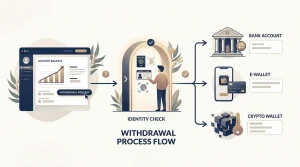
If payout flexibility is a priority, read the dedicated Intensity withdrawals before depositing. That page focuses on the cashout sequence, including verification and the checks that can delay a request. Doing this in advance is more useful than choosing a deposit option solely because it looks fast at the funding stage.
How to treat PayID at Intensity
PayID deserves its own subsection because it is a familiar Australian payment concept and current Intensity-facing AU pages mention it. The useful conclusion is narrow: PayID is presented as an Intensity payment option worth checking in the live cashier. This page does not attach a fixed minimum, maximum, fee or payout window to it.
That distinction matters because a payment method can be genuinely listed while the exact commercial settings around it vary. When PayID appears in your account, check the recipient details, the name associated with the transaction and whether the screen describes it as deposit-only or also provides a withdrawal path. Do not reuse payment details from an old screen or a third-party article when a current cashier instruction is available.
Cards and e-wallets solve different problems
Visa and Mastercard are presented among Intensity payment options, while e-wallet options are also part of the verified payment mix. A card can be convenient because it sits inside an existing banking routine. An e-wallet can make it easier to separate gambling transactions from a primary bank account and can offer a distinct payout destination when the casino supports that flow.
Neither category is automatically the better choice. The useful comparison is whether the method works in both directions, whether the account holder name matches, and whether the external provider applies its own conditions. If a method is shown only for deposits, treat that as a funding tool rather than assuming it will be available later for withdrawals.
Crypto support needs an extra network check
Cryptocurrency payment options are presented for Intensity, but crypto creates a different operational risk from a card or bank transfer. The exact asset and network matter. A wallet address that is valid for one network can be unusable for another, and a transfer sent to the wrong network can be difficult or impossible to recover.
Before sending anything, use only the address and network displayed in the current cashier and verify the first and last characters of the destination. The casino’s crypto support does not justify assuming which coins, chains, limits or confirmation times are currently enabled. Those details should be read from the live transaction screen rather than copied from an older review.
Build KYC into the banking plan
Identity verification can be required in the payment and withdrawal process. That makes KYC a banking issue, not merely an account-settings task. A player who waits until the moment of cashout to consider verification can create an avoidable interruption, particularly if account details and payment ownership need to be checked.
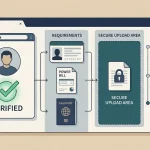
The separate Intensity KYC covers the verification topic without inventing a fixed document list or approval time. The practical point here is simpler: use your own payment method, keep account details accurate and expect a withdrawal to depend on successful identity checks when requested.
Why this guide does not publish fixed limits or fees
Several Intensity-facing pages publish detailed amounts, speed ranges and fee claims, but those values are not consistent enough to meet the evidence standard used for this site. Deposit and withdrawal ceilings, transaction fees and processing windows are high-impact details because they can change the suitability of a method. Publishing a single figure from a conflicting secondary source would be more misleading than omitting it.
Use the current cashier and terms at the moment of payment for those figures. When comparing methods, record the number you actually see, whether it applies per transaction or per period, and whether the fee belongs to the casino or an external payment provider. This keeps the decision tied to the account you are using rather than to a static marketing table.
A better five-point banking checklist
- Confirm the method is live. Check the cashier rather than relying on a logo shown on an old review page.
- Confirm the direction. Establish whether the method supports deposits, withdrawals or both.
- Check ownership. Use a payment instrument that matches the account holder details when the cashier requires it.
- Read the current amount and fee fields. Treat them as transaction-specific information rather than permanent Intensity rules.
- Expect verification. If a cashout depends on KYC, resolve that requirement before assuming a payout will proceed immediately.
This process also helps when using the Intensity mobile casino, because a compact screen can make it easier to overlook method notes or verification prompts. Read the full transaction information before confirming.
Set up the account before testing a payment route
Banking works best when the account data behind it is already consistent. The Intensity registration explains the registration and sign-in context, while this page stays focused on payments. In practice, a mismatch between account identity and payment ownership can matter more than which funding category you choose.
If you are still comparing Intensity as a whole, return to the Intensity Casino Australia review for the broader product picture. Payment support is only one decision factor alongside games, bonus terms, mobile use, verification and the legal context.
Keep payment convenience separate from legal status
A familiar Australian payment method does not establish that a gambling operator holds an Australian licence or falls under Australian consumer protections. Those are separate questions. The Intensity licence in Australia page handles that distinction directly so that banking convenience is not mistaken for regulatory approval.
For payment decisions, stay with what can be checked in the account: the method shown, the direction of the transaction, the current terms and the verification status. Those are the variables that determine whether a particular banking route fits your own use case.
How Intensity payment options fit an AUD bankroll
Intensity gives Australian readers a workable spread of payment categories: bank transfer, cards, e-wallets and crypto, with PayID also presented on current AU-facing pages. The strongest approach is to choose a method only after confirming that the current cashier supports the direction you need and that your account details are ready for verification. Avoid building a bankroll plan around a fixed fee, limit or speed quoted elsewhere when those values are not consistently verified. A payment method is a good fit when its live terms, payout route and account requirements are clear before the deposit is made.